

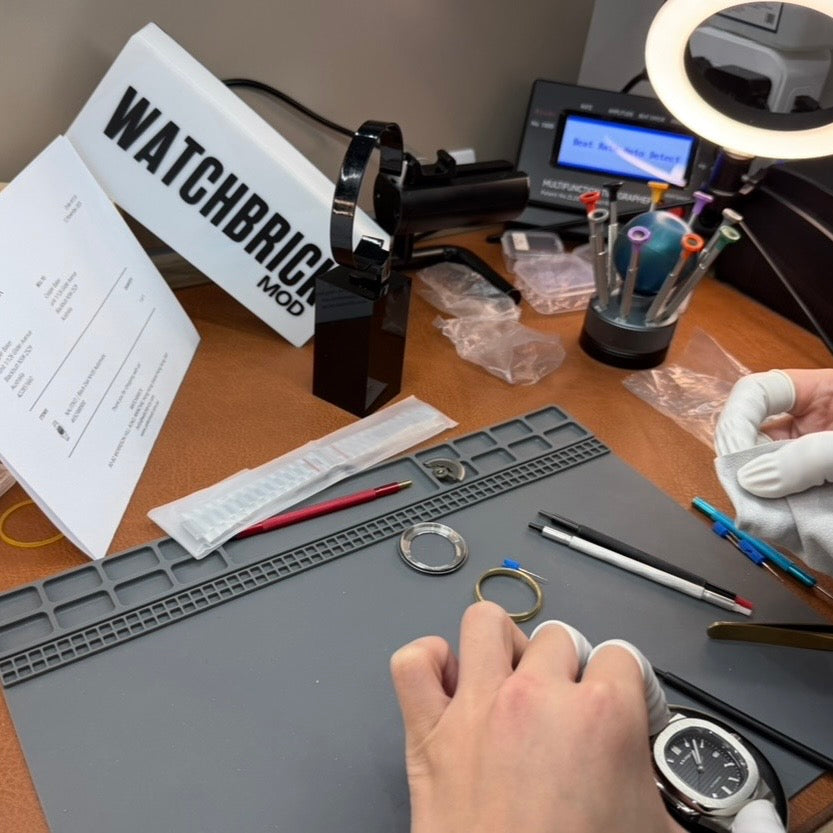
The Truth Behind 2–4 Weeks Seiko Mod Build Times:
A 2–4 weeks build time doesn’t necessarily mean your watch is being built for 2–4 weeks.
The Seiko Mod market has grown rapidly, with sellers now operating across Australia, the UK, the US, Canada and around the world.
But there is one question buyers rarely ask:
Who actually builds your watch?
Not where the website is based.
Not where the company is registered.
Not where the parcel is shipped from.
But who actually handles the movement, installs the dial and hands, fits the watch together, checks the components and performs the final QC?
Because in the Seiko Mod world:
Selling a watch and building a watch are not the same thing.

“Made to Order” Doesn’t Always Mean Made by the Seller
You’ve probably seen Seiko Mod websites advertising:
“Please allow 2–4 weeks for your watch to be built.”
It sounds reassuring.
It gives the impression that your watch is spending several weeks on a watchmaker’s bench being carefully assembled.
But what actually happens during those 2–4 weeks?
Depending on the seller’s business model, that time may include:
- An order being forwarded to a third-party supplier
- Production by an outside factory
- Supplier processing time
- International shipping
- The completed watch being received and forwarded again
- Or the finished watch being shipped directly to the customer
There is nothing automatically wrong with outsourced production.
And a watch being sold by an Australian, UK, US or Canadian website does not automatically mean it was assembled there.
Geography is not quality control.
The questions that matter are:
Who actually assembles the watch?
Who selects and checks the components?
Who performs the QC?
And has the seller actually seen what went into your watch?
See how we build every Seiko Mod →
Selling a Watch Is Easy. Building One Properly Is Different.
A finished Seiko Mod can look perfect in a product photo.
But assembling one properly involves much more than choosing a case, dial and bracelet.
During a build, we regularly check for issues involving:
- Dial alignment
- Hand fitment and finishing
- Case tolerances
- Crown and stem fitment
- Bezel alignment
- Bracelet and clasp operation
- Movement condition and regulation
- Dust or contamination
Many of these problems cannot be identified from supplier photos.
Some cannot even be identified by simply looking at the component.
You find them when you actually build the watch.
And that is why direct control over assembly matters.

What Building Watches Ourselves Has Taught Us
One of the biggest lessons we have learned is simple:
A component can look perfectly fine and still fail our assembly standards.
We recently reviewed a number of delayed orders to understand what was causing them.
One of the biggest causes was not assembly capacity.
It was component rejection.
Across certain batches of dials, hands, cases and bracelets, we have seen approximately:
15 out of every 50 components fail to meet our assembly standards.
That does not always mean the component is completely unusable.
Sometimes the issue is small.
But if our watchmaker is not comfortable installing it into a customer’s watch, we do not use it.
We replace it.
Sometimes that means an order takes a little longer.
We know customers want their watches quickly.
But we would rather explain a short delay than install a component our own team has already rejected.
Sometimes a delay is the QC process doing its job.
QC Should Start Before the Watch Is Finished
There is a major difference between checking a completed watch and controlling how that watch is built.
If a seller receives a fully assembled watch from someone else, they can inspect the exterior.
They can check whether it runs.
They can inspect the dial.
They can operate the crown.
But by then, almost everything is already inside the watch.
When you build the watch yourself, QC starts much earlier.
Our watchmakers can reject a dial before installation.
Reject a set of hands.
Identify a case tolerance issue.
Replace a bracelet.
Inspect the movement.
Correct alignment during assembly.
And when we repeatedly see the same problem, we can change what we buy from our suppliers.
For us, QC isn’t a final inspection. It’s part of the entire build.
A Real Example: Our Sub-Style Cases
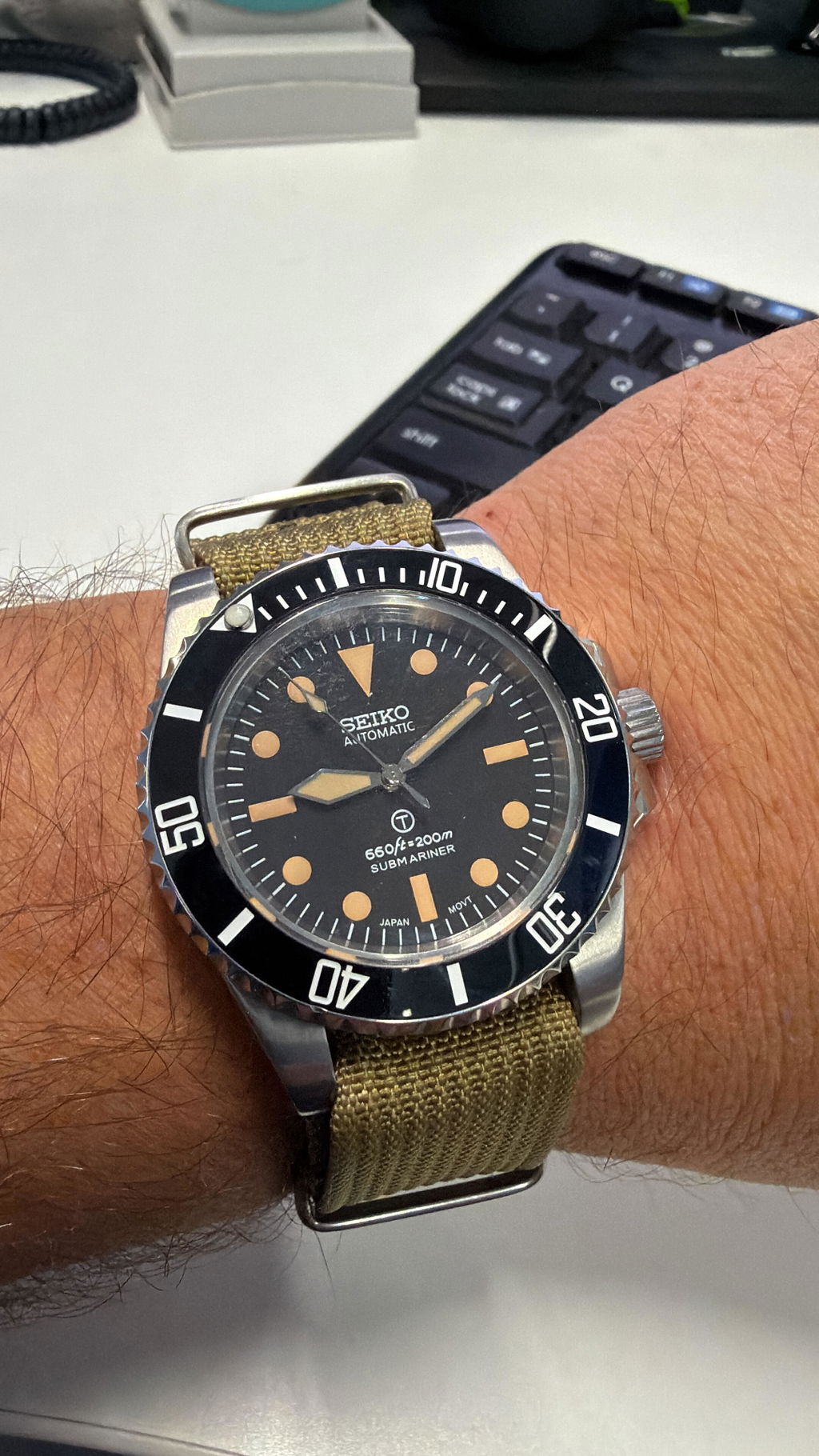
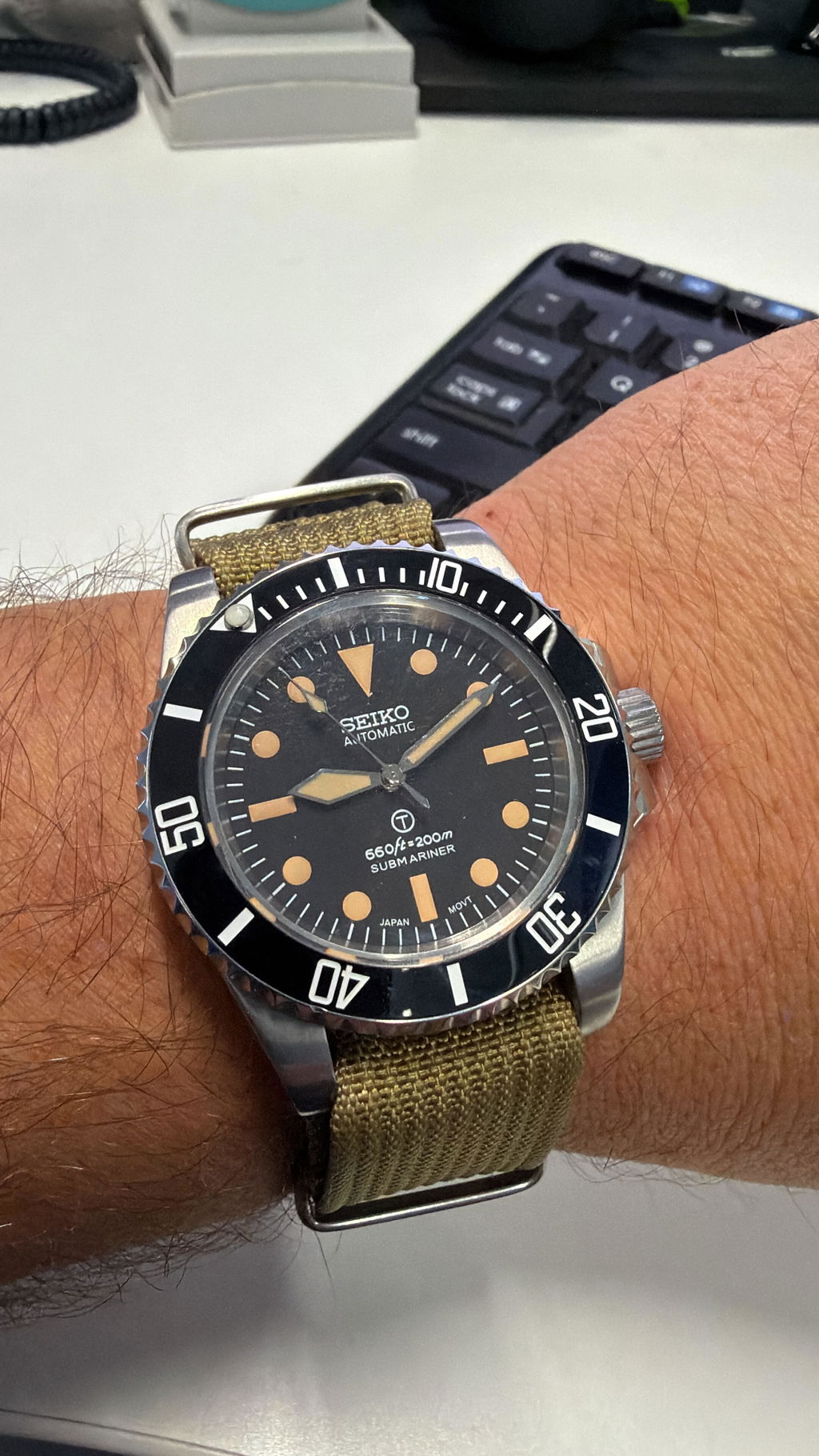
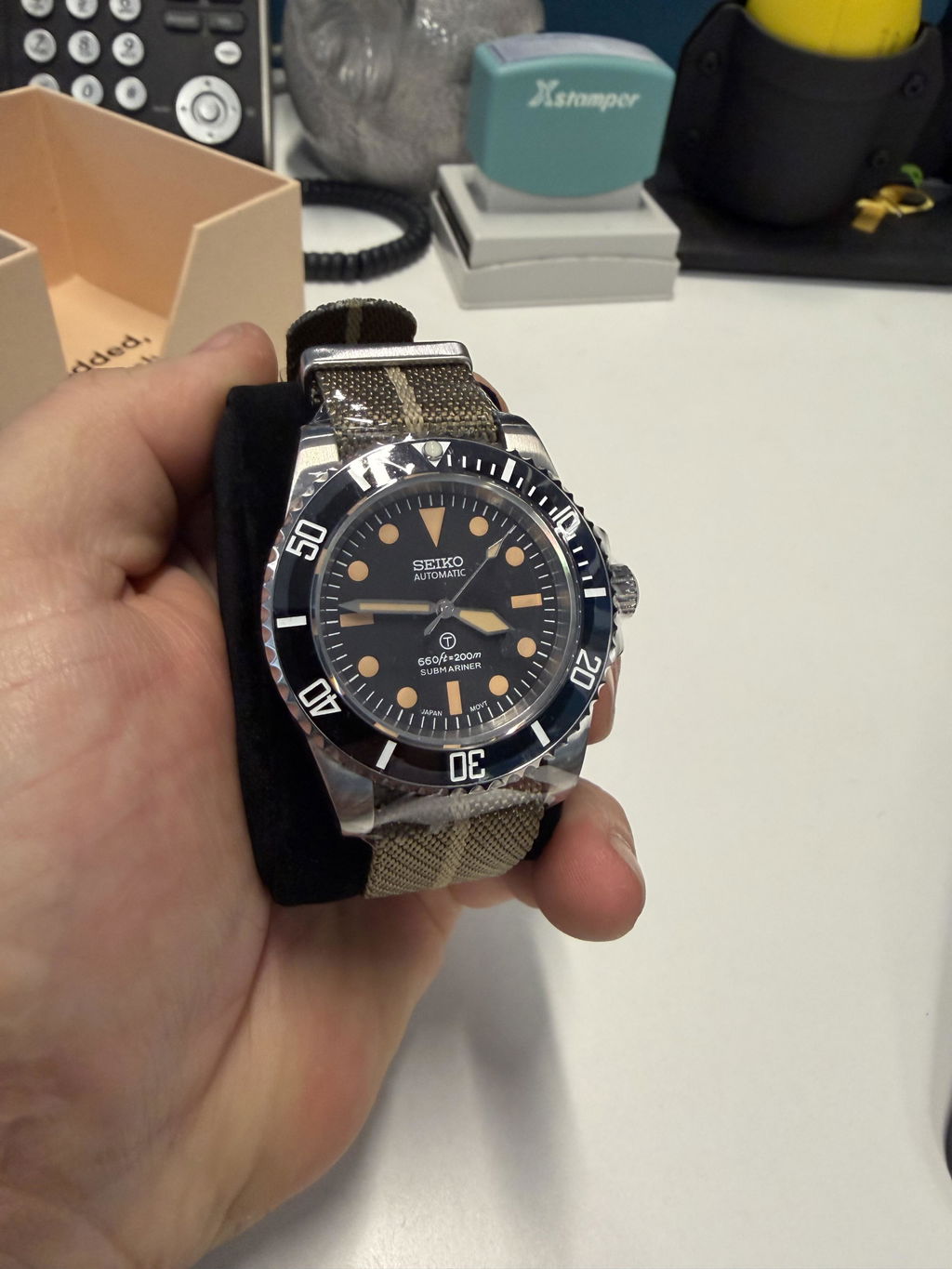
Our Seiko Sub Mod cases are a good example.
We do not simply buy the cheapest generic Sub-style case available and install it across every build.
Our cases are ordered directly from our manufacturing partner to our requirements, with particular attention paid to finishing and polishing.
Why?
Because when your own team repeatedly assembles the same component, you start noticing the details.
You understand where tolerances could improve.
You see where finishing could be better.
You learn what actually works well on the bench.
Those details are difficult to understand if your involvement begins only after the completed watch arrives.
Another Example: Our Bracelets Were Not Good Enough
We also believe transparency means talking about things that did not work.
When Watchbrick was first established, one of the most common pieces of feedback we received involved our bracelets.
We saw issues including bracelet separation and clasp problems.
We could have treated every case as an individual warranty claim.
Instead, we changed the component.
Today, we separately order higher-quality bracelets from our manufacturing partner rather than simply accepting the standard bracelet supplied with the case.
It costs us more.
But it fixed a weakness that our customers — and our own assembly team — helped us identify.
Customer feedback shouldn’t just fix one watch. It should improve the next hundred.

What’s Actually Inside Your Watch?
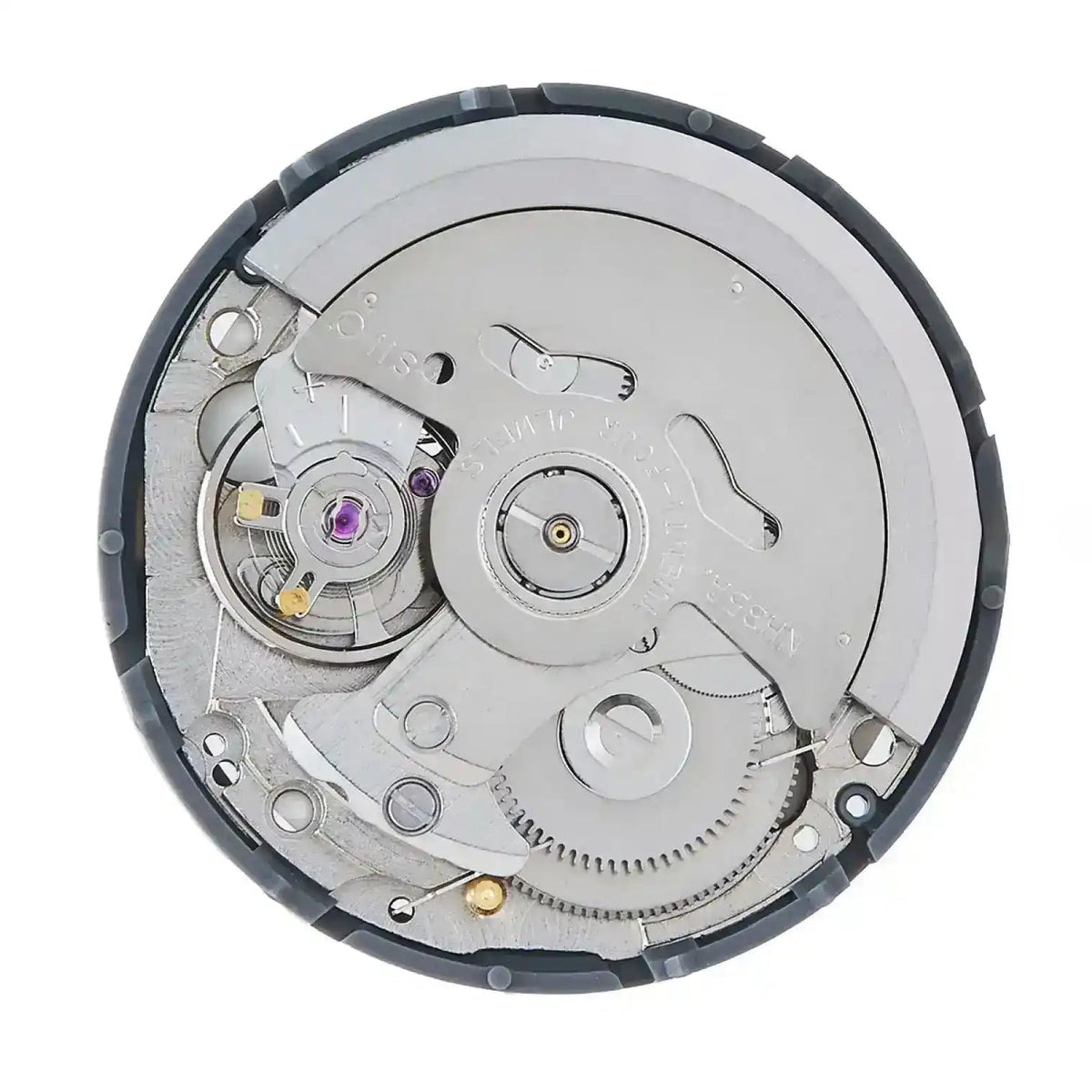
The movement is one of the most important components inside an automatic Seiko Mod.
If you are buying a watch advertised as using an NH35, NH34 or another TMI movement, ask exactly what is inside.
Two watches can look almost identical from the outside while using very different components internally.
There are genuine TMI NH-series movements in the market, as well as lower-cost alternatives.
An aftermarket rotor can also change what you see through the caseback, making it even more important to identify the actual movement underneath.
Check:
The calibre.
The jewel count.
The manufacturer markings.
And when two watches look almost identical but one is dramatically cheaper, it is reasonable to ask:
Where is the price difference coming from?
Learn how to identify a genuine NH35 movement →
Why Are Some Seiko Mods Suddenly So Cheap?
Recently, we have noticed more new Seiko Mod websites entering the market with extremely aggressive pricing.
NH35 Datejust-style builds are sometimes advertised for around A$299, A$200-something — and occasionally even lower.
A low price does not automatically mean a bad watch.
But customers should understand what it actually costs to supply one properly.
A watch is not just an NH35 movement.
The real cost includes:
- Genuine movement
- Case
- Dial
- Hands
- Bracelet
- Crystal
- Packaging
- Assembly labour
- Rejected components
- Replacement parts
- Payment processing fees
- Advertising
- Customer service
- Warranty support
For a properly specified NH35 build, once all of those costs are considered, the real cost of delivering a watch can already approach A$300.
So when a complete watch is being sold for A$299 — or significantly less — there is one obvious question worth asking:
What has been removed to make that price possible?
The movement?
The component quality?
The QC?
The watchmaker’s labour?
The warranty?
Or the margin needed for the business to still support you after the sale?
Quality Needs Margin
This is an uncomfortable truth in any product business:
Quality costs money.
A business needs enough margin to reject a bad dial instead of using it.
It needs enough margin to throw away a poor set of hands.
It needs enough margin to replace a bracelet.
It needs enough margin to employ people who actually understand how to assemble and regulate a watch.
And it needs enough margin to honour a warranty months after the original sale.
If the selling price is almost identical to the true cost of producing the watch, something eventually has to give.
You cannot continuously reject bad parts if you cannot afford to replace them.
That is one of the biggest differences between simply selling watches and actually trying to build a sustainable watch business.
A Warranty Is Only Useful If Someone Is There to Honour It
Launching a website is easy.
Launching a Shopify store with attractive renders and a low introductory price is easy.
Remaining in business, improving the product, carrying replacement components and supporting customers one year later is much harder.
When a new seller enters the market with extremely low pricing, do not only ask:
“How much am I saving today?”
Also ask:
“Who is going to support this watch if something goes wrong later?”
A 12-month warranty printed on a website means very little if there is nobody capable of repairing the watch — or nobody left to answer the email.
Cheap Parts Aren’t the Only Shortcut
Price pressure can affect more than the components.
It can affect the whole process.
A seller can reduce costs by:
- Using cheaper movements
- Using commodity components
- Accepting parts that another workshop would reject
- Outsourcing assembly
- Skipping regulation
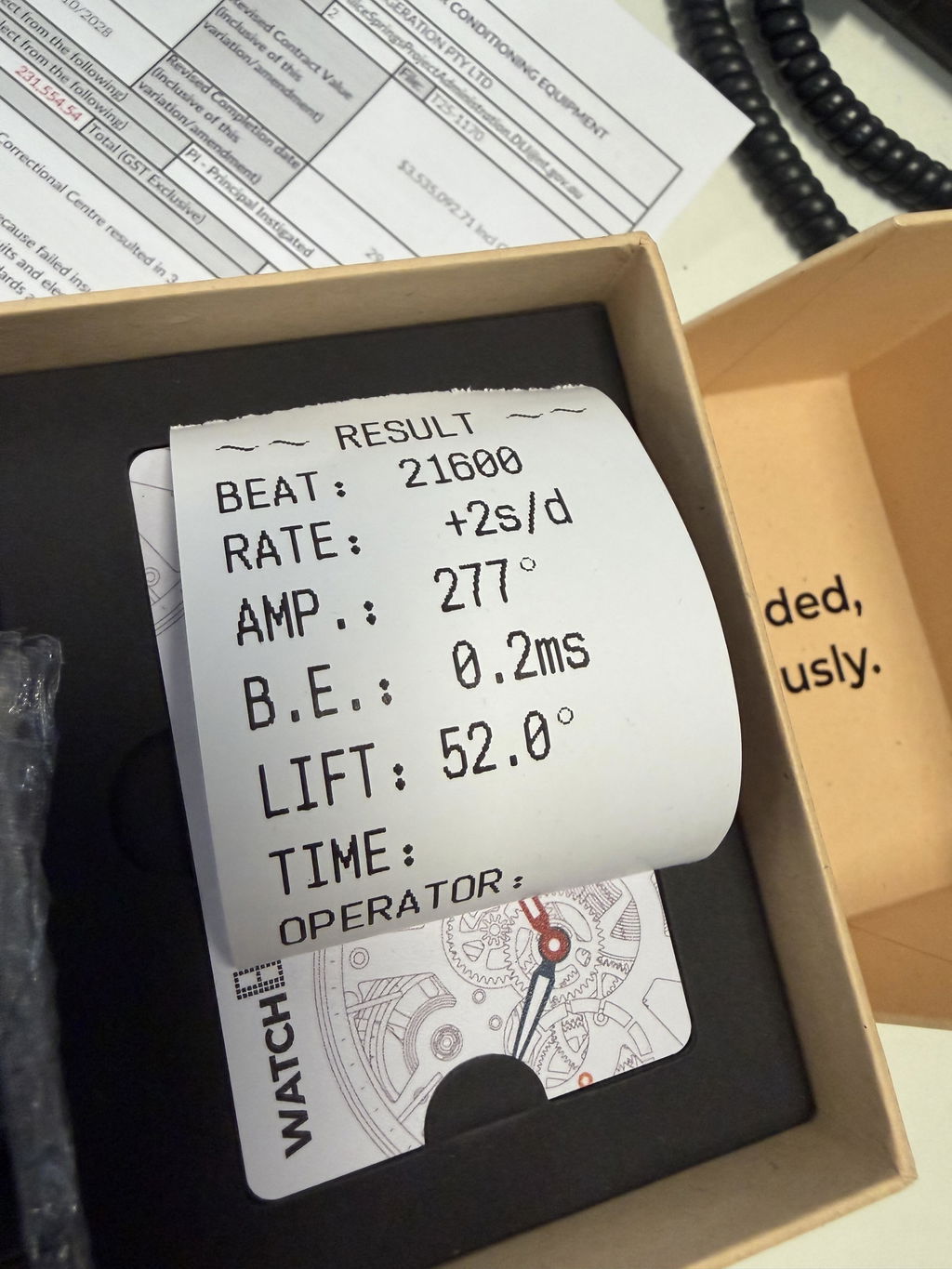
- Skipping timing reports
- Reducing after-sales support
- Carrying little or no replacement stock
Most of these shortcuts are invisible in a product photo.
That is why we believe customers should look beyond the exterior.
Two watches can look the same on Instagram and be completely different products underneath.
We Are Not Trying to Be the Cheapest Seiko Mod Seller
We could make our watches cheaper.
We could buy cheaper components.
We could accept more parts instead of rejecting them.
We could outsource the entire build.
We could remove individual timing tests.
We could focus on volume instead of the watchmaker’s bench.
That would reduce our cost.
But it would also change the product.
At Watchbrick, our team actually works with the watches we sell.
We see which components fail.
We see which movements perform well.
We see which bracelets cause problems.
We see which tolerances need improvement.
And we use that information to make the next watch better.
We don’t want to be the cheapest Seiko Mod seller.
We want to be comfortable putting our name on every watch we send out.
Explore our Seiko Mod collection →
Ask These Questions Before Buying Any Seiko Mod
You do not need to be a watchmaker.
Just ask the seller a few simple questions.
Who physically assembles my watch?
Is it your own team, or is the completed watch supplied by another company?
What movement are you using?
If it is advertised as an NH35 or NH34, who manufactures it?
Do you inspect components before assembly?
What happens when a component fails your standards?
Is the movement timing-tested or regulated?
Who checks the dial and hand alignment?
Who handles the warranty if something goes wrong?
And if the website says:
“2–4 weeks build time.”
Ask:
What exactly is happening during those 2–4 weeks?
A seller who genuinely understands and controls the product should be able to answer.
How Watchbrick Builds Every Watch
At Watchbrick, we do not order a completed watch from a third-party supplier and simply forward it to the customer.
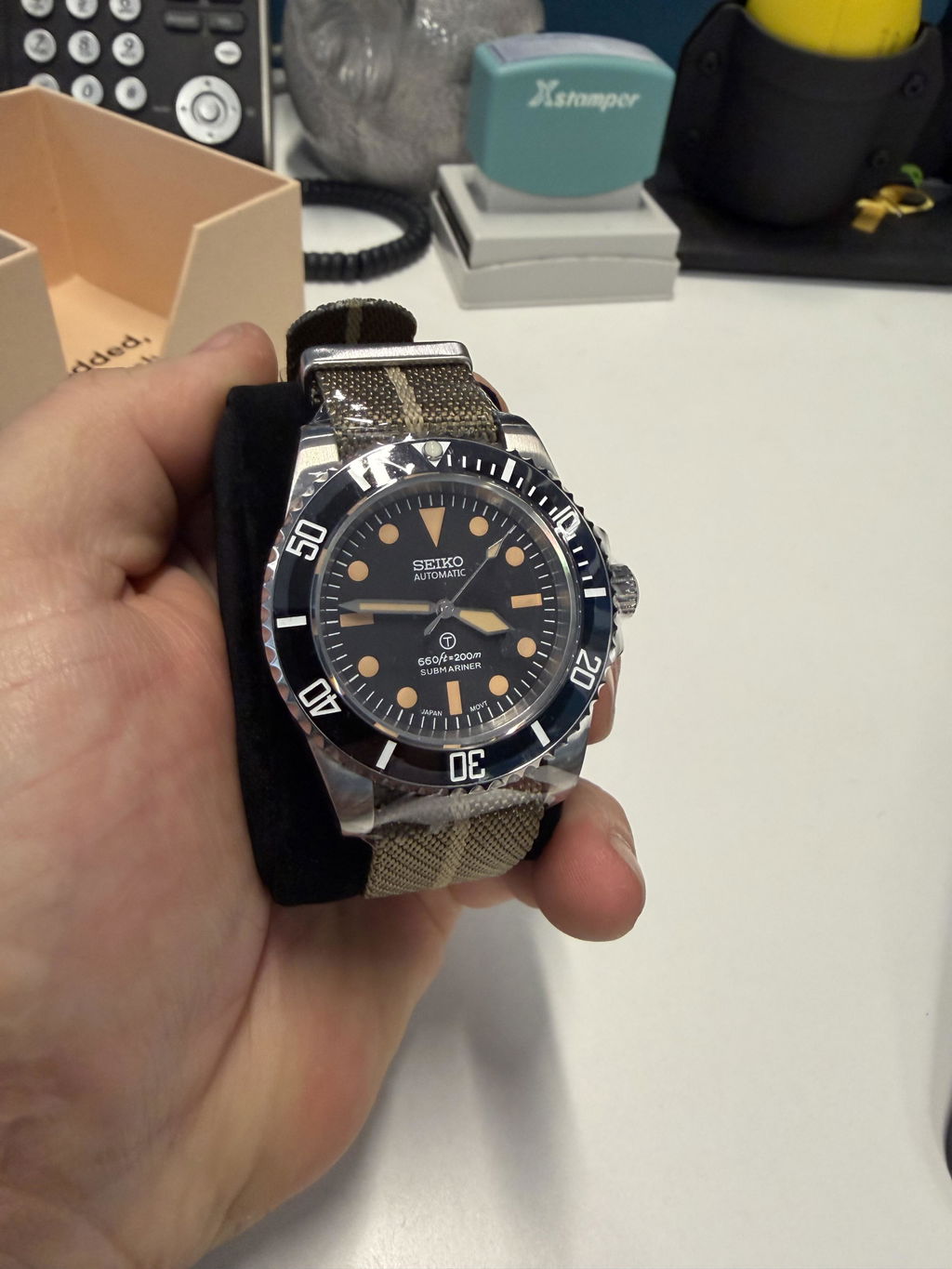
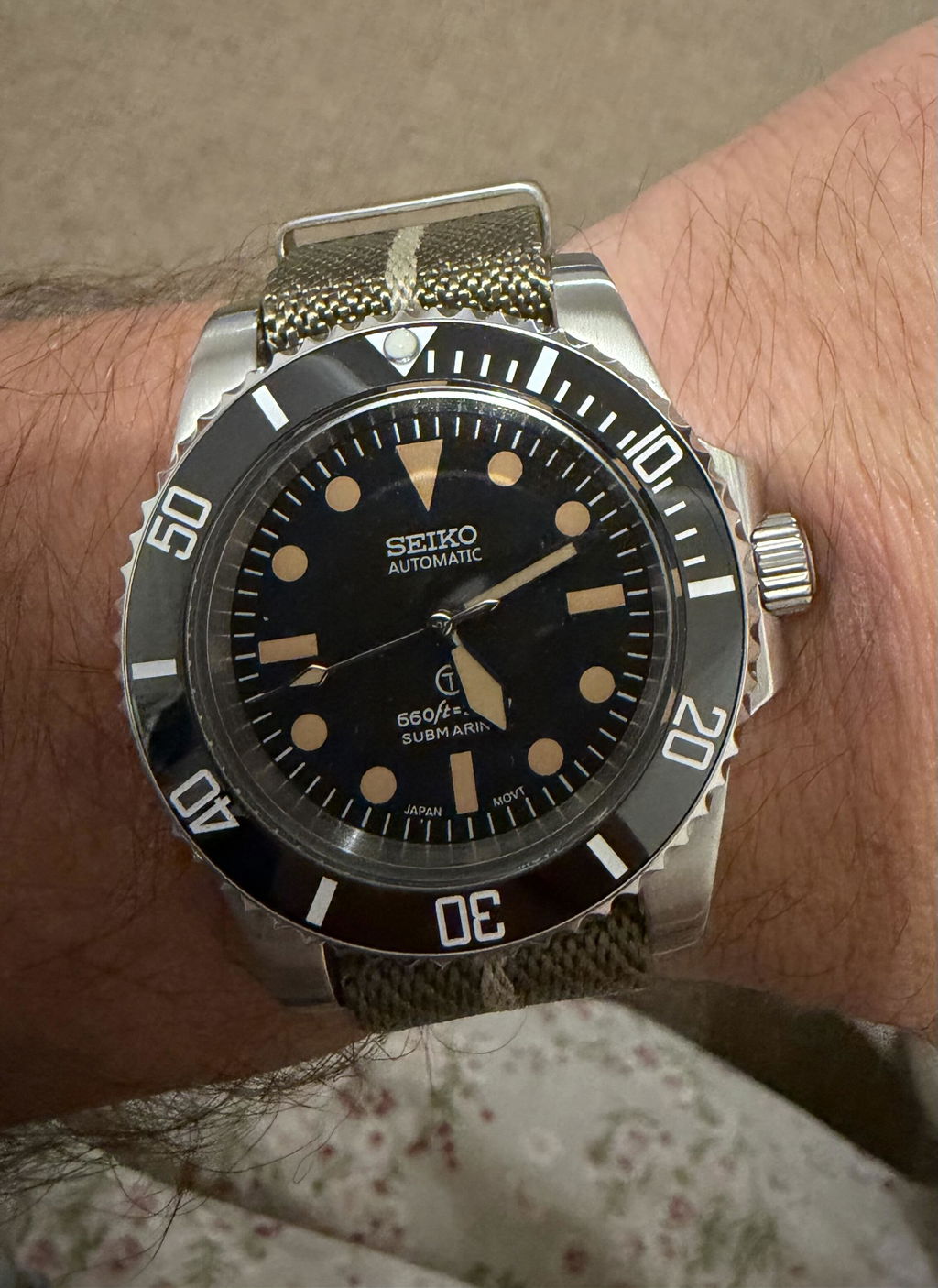
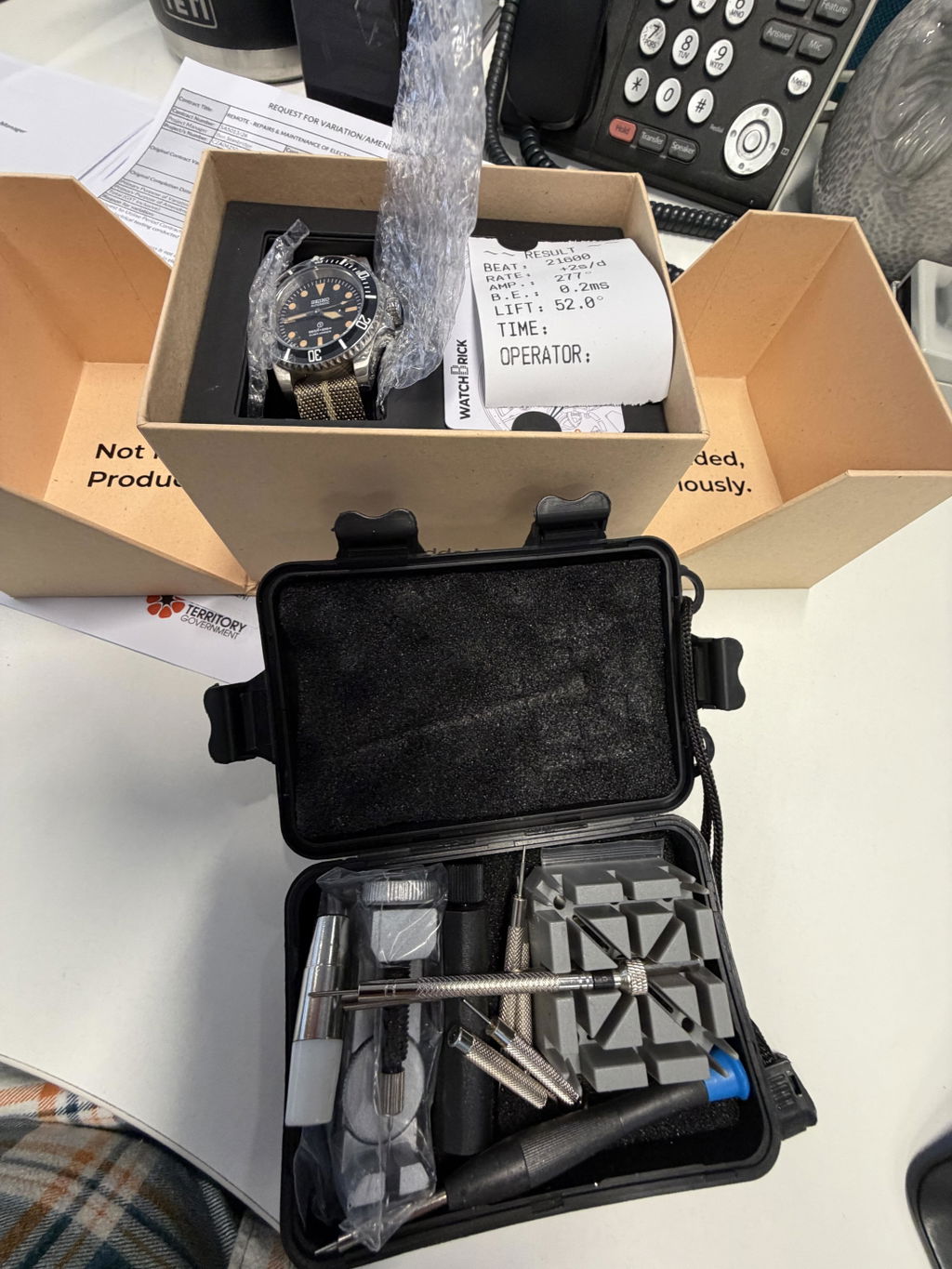
Every Watchbrick is made to order and assembled by our own team.
Our watchmakers work directly with the movement, dial, hands, case, bracelet and other components used in each build.
Our process includes:
Component inspection.
Movement inspection.
Assembly.
Alignment checks.
Final QC.
And if a component does not meet our standard:
It does not go into the watch.
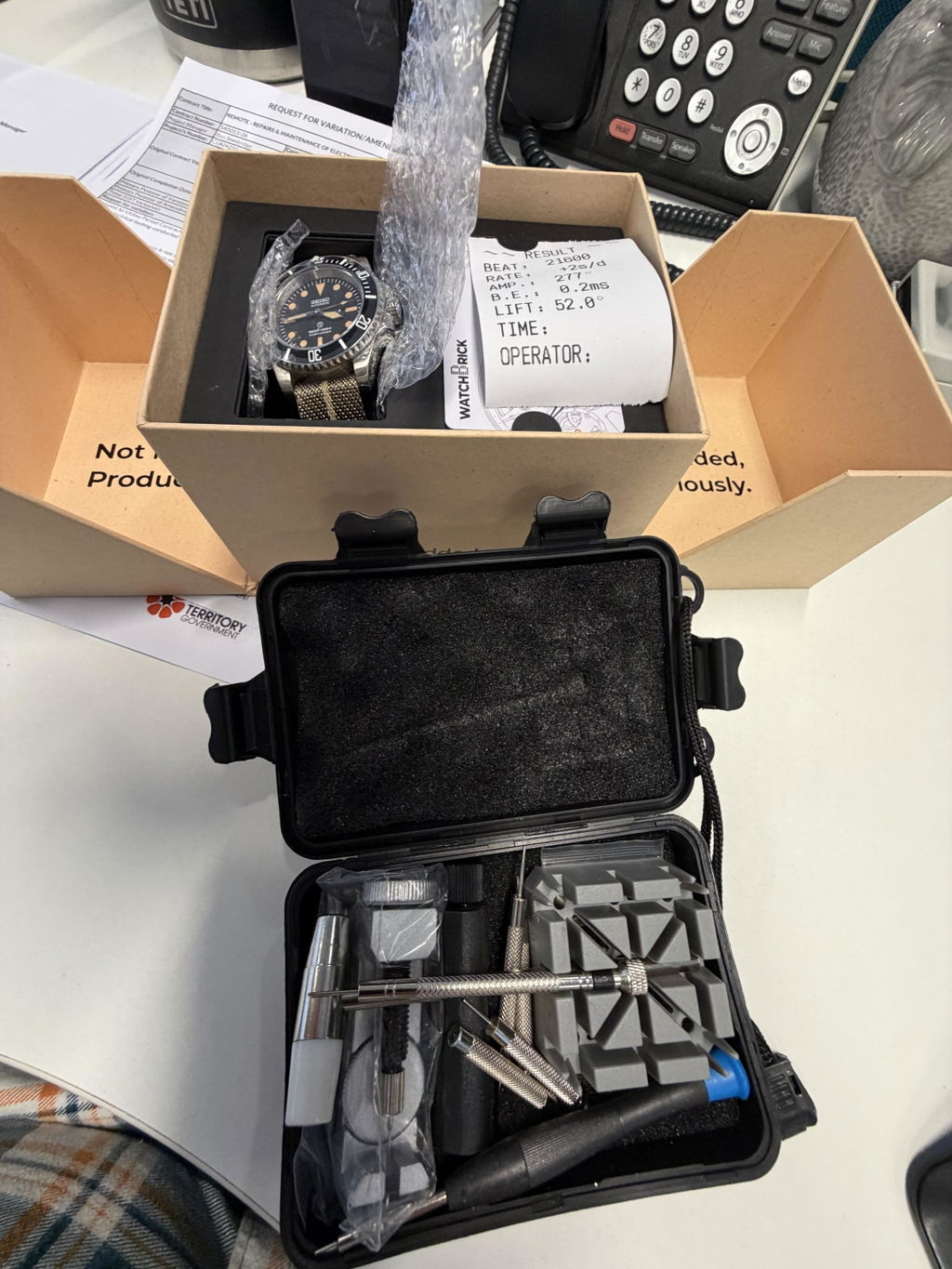
For applicable automatic builds, we also provide an individual timing test report before dispatch.
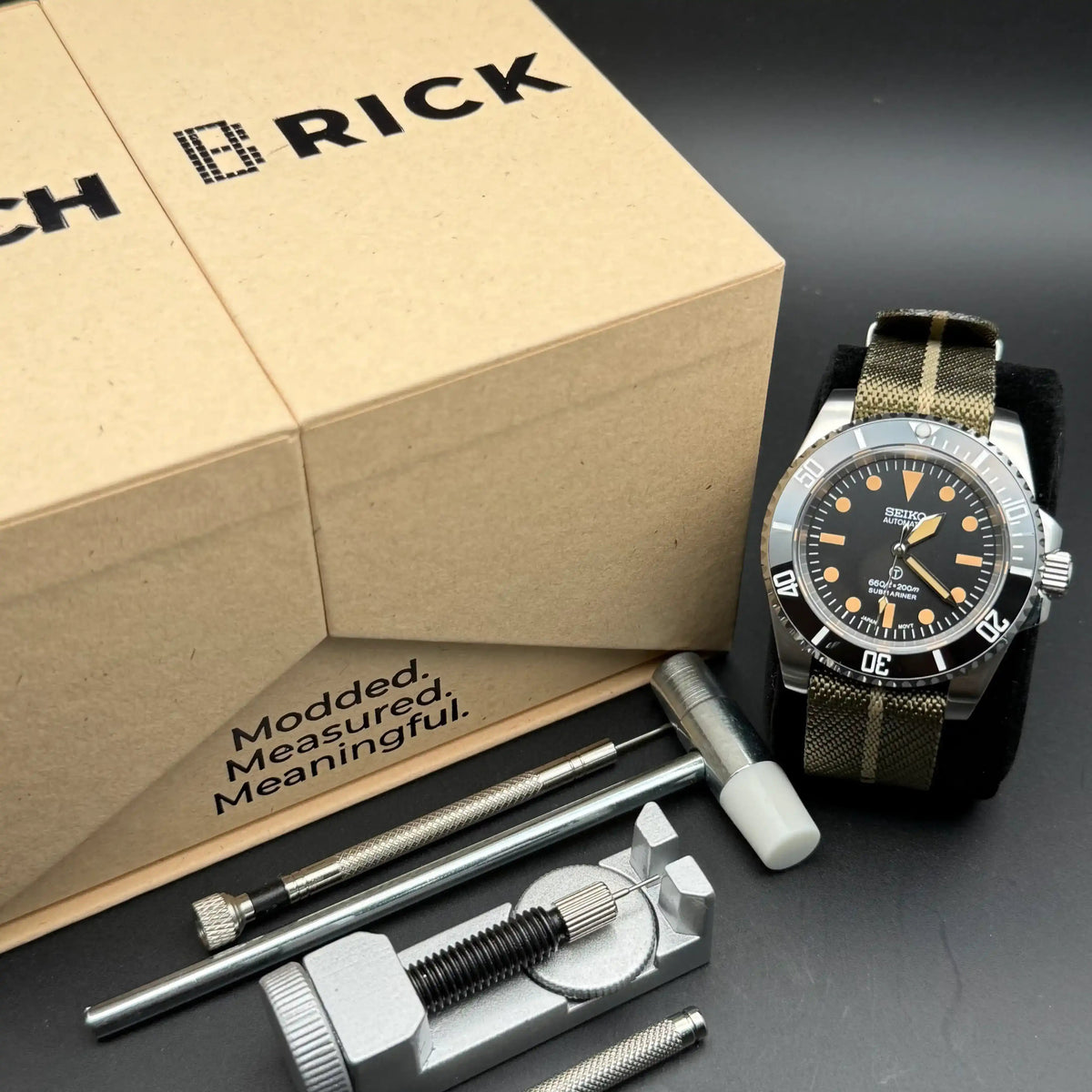
We use genuine TMI NH-series movements, including NH34, NH35 and NH72 depending on the build.
Our normal made-to-order production time is approximately 4–6 business days.
Sometimes it takes longer.
A dial may be rejected.
Hands may need replacing.
A case may fail inspection.
A bracelet may not meet our standard.
When that happens, we would rather wait for the correct component than build the watch simply to hit a shipping deadline.
We know what’s inside every watch because we’re the team building it.
Don’t Ask Where. Ask Who.
A watch being assembled in Australia does not automatically make it better.
A watch being assembled in Asia does not automatically make it worse.
The same applies to the UK, US, Canada or anywhere else.
Geography is not quality control.
What matters is:
Who builds it.
What components they use.
What standards they apply.
What they reject.
Who performs the QC.
And who stands behind the watch after it has been sold.
A polished website cannot tell you that.
A beautiful product photo cannot tell you that.
A low price cannot tell you that.
And a “2–4 week build time” cannot tell you that either.
Anyone can inspect a finished watch.
The real difference is being involved while it is being built.
At Watchbrick, our team sees the movement, dial, hands, case and bracelet that go into every build.
Sometimes that means rejecting a component.
Sometimes that means delaying an order.
Sometimes customer feedback means changing the parts we purchase.
And sometimes it means paying more for the component because the cheaper option simply is not good enough.
That is not something we hide.
That is how the product gets better.
So before buying your next Seiko Mod, do not only ask:
“How much does it cost?”
Or:
“Where is the seller based?”
Ask the questions that matter more:
“Who actually built my watch?”
And perhaps the most important one:
“What did they reject before they were willing to put their name on it?”


Share:
Fake NH35 Movements in Seiko Mods: What Buyers Need to Know
Best Seiko Mod Watches in Australia 2026: What to Look for Before You Buy